The European ALARA Network

The European ALARA Network (EAN) promotes the optimisation of radiation protection (keeping exposures As Low As Reasonably Achievable – ALARA) across Europe. It brings together professionals, regulators, and stakeholders to share experience, develop guidance, and support the practical implementation of ALARA principles in various sectors, including industry, medicine, research, and the environment.

ALARA Newsletter – Issue 25

The 24th issue of the EAN Newsletter has now been published and can be read in the Newsletter section. You can also download it as a PDF document.Contents of the Issue The management of the 60Co contamination in lift buttons in European countries, ERPAN survey about healthy volunteers in biomedical research, Analyse of a reference […]

Read more

Issue 25 – October 2009

pdf

pdf.pngDownload the 25th issue in PDF format

Editorial

Eight years ago, when the Twin Towers of the World Trade Center collapsed, it not only left an indelible impression on the planet’s collective memory, it has also led to an international awareness that strengthening security for radioactive materials and nuclear facilities worldwide was a major issue of concern. In 2006, the Litvinenko affair reinforced this awareness. As a consequence, the radiological protection and safety communities, merged into what we might now call the radiation safety community, amongst others, have developed a huge set of recommendations, measures, regulations and laws aimed at countering terrorist attacks, illicit trafficking, and other malevolent acts using or targeting radioactive sources. The aim is to prevent such events, but also to mitigate their consequences if they do occur. These aims inherently require consideration of the optimisation principle in the management – before and after – of emergency situations. There are many issues to explore: the exposures of emergency responders, security staff, supervisors and workers, operators of security-related sources, and the public must be kept as low as reasonably achievable (ALARA). It is noted that several recent ICRP recommendations (Publications No. 96, 103, 109 and 111) address these exposure situations, and with this in mind, the next 12th EAN ALARA Workshop will be focussing on these issues.
Read more

New radiation protection regulation in Norway

Work in connection with revision of the basic regulation for radiation protection and use of radiation has been going on for several years, and drafts are now being circulated for comments. The former basic regulations have been split into two regulations: one for radiation protection and one for environmental prtection. The environmental regulation contains a […]

Read more

Atlas of radon in homes in Scotland

In April 2009, HPA published an atlas of radon in homes in Scotland (HPA-RPD-051). The report brings together all the data held in the UK national radon database on radon levels in Scottish dwellings. It updates previous reports and presents the first complete radon probability map for the whole of Scotland including the inhabited off-shore […]

Read more

Analyse of a reference dosimetry error in electron therapy in Switzerland

Authors: N. Stritt, M. Dorthe (SFOPH, Switzerland)

Legal provisions

The use of ionising radiation in medicine in Switzerland is regulated by several ordinances. The Radiological Protection Ordinance provides a general framework and more detailed requirements are specified in technical Ordinances, such as the “Use of unsealed sources”, the “Use of sealed sources in medicine” and the “X-ray” Ordinances. In radiation therapy, requirements regarding Quality Assurance, such as dosimetry checks, are specified in the Ordinance on Medical Accelerators, with full details for the application given in the Swiss Society of Radiobiology and Medical Physics (SSRMP) Recommendation 11.

Read more

ERPAN survey about healthy volunteers exposure in biomedical research

Author: D. Célier (ASN, France)

In March 2009, ASN was requested by the French Agency for the Safety of Health Products (AFSSAPS, the French competent authority for biomedical research), for advice about a proposed clinical trial intended to evaluate a PET tracer to diagnose Alzheimer’s disease (AD). This test involves not only the participation of AD patients, but also of healthy volunteers, all aged 60 years or over. The protocol involves 2 PET-CT examinations, issuing a total effective dose of 18 mSv (F-18 + CT).

Read more

The management of the Co-60 contamination in lift buttons in European countries

Authors: F. Drouet, P. Croüail (CEPN, France)

Introduction

ireland.jpg
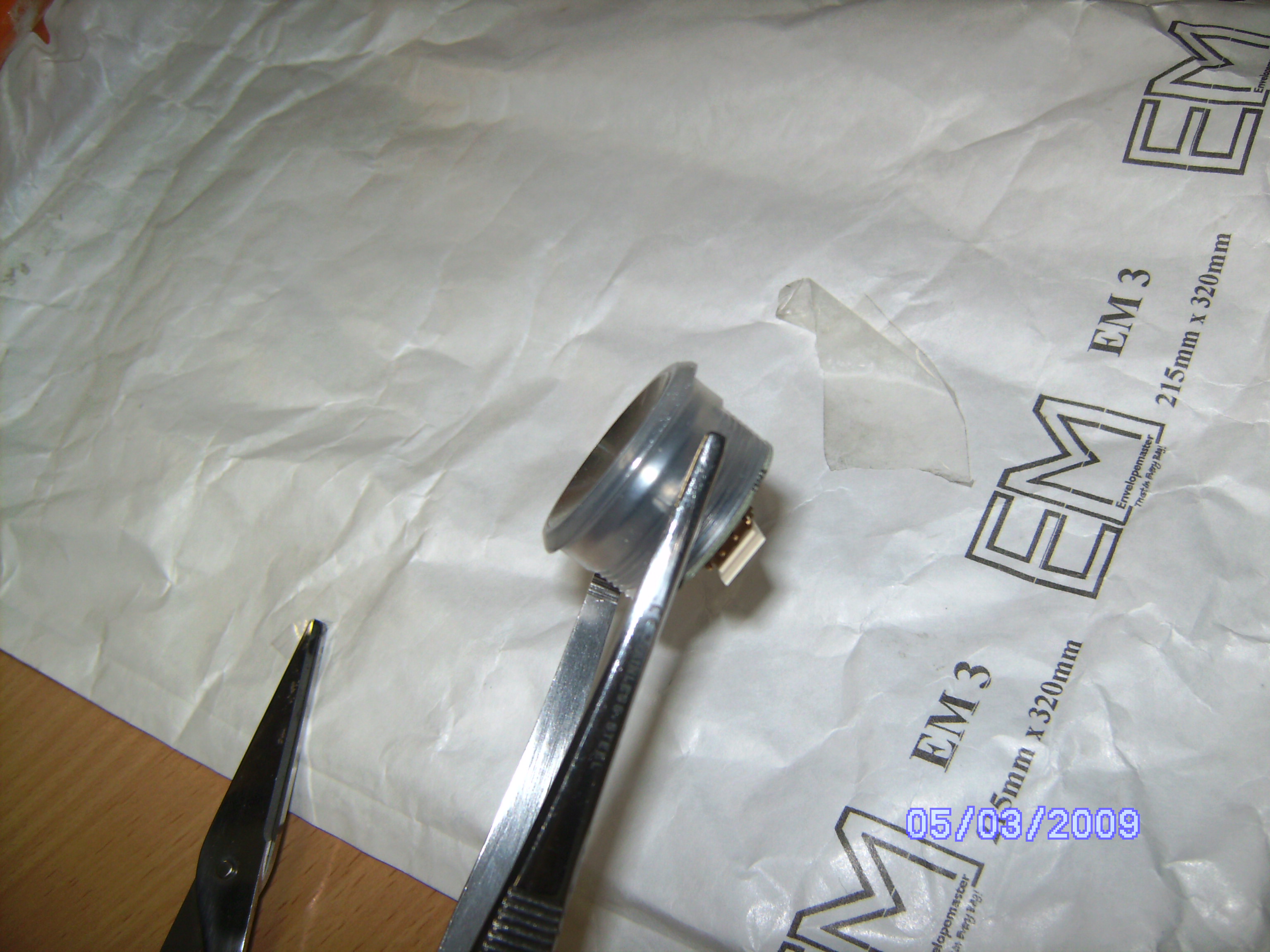
In October 2008, the French nuclear safety authority (ASN) was informed about the detection of radioactivity in lift buttons, manufactured by a French company, MAFELEC. This company manufactures lift buttons whose metal base comes from India. The detection was made on the assembled buttons and it appeared that the 60Co contamination came from Indian suppliers. After investigation by the French authority, it turned out that MAFELEC has only one customer, OTIS, a lift company located in several places all over the world. As a consequence the distribution of contaminated buttons was not limited to France and measures to identify and remove buttons were taken in many countries in Europe.

At the occasion of the EAN Steering Group meeting in December 2008, discussions confirmed that many EAN countries had to deal with this issue. Then EAN decided to launch a request through its mailing list for information on the management of this event in European countries. Between January and July 2009, answers from 13 different countries were received. This article is a summary of these answers.

Read more

SFRP/COFREND working group on gammagraphy

In 2005 the French nuclear safety authority (ASN) requested the French Comittee of Non-Destructive Testings (COFREND) to work on improving radiation protection in gammagraphy. To perform this task COFREND asked for collaboration with the French Radiation Protection Society (SFRP). Thus in 2006-2007, 9 working groups on different topics (for instance, regulation, training, dosimetry, risk assessment […]

Read more